
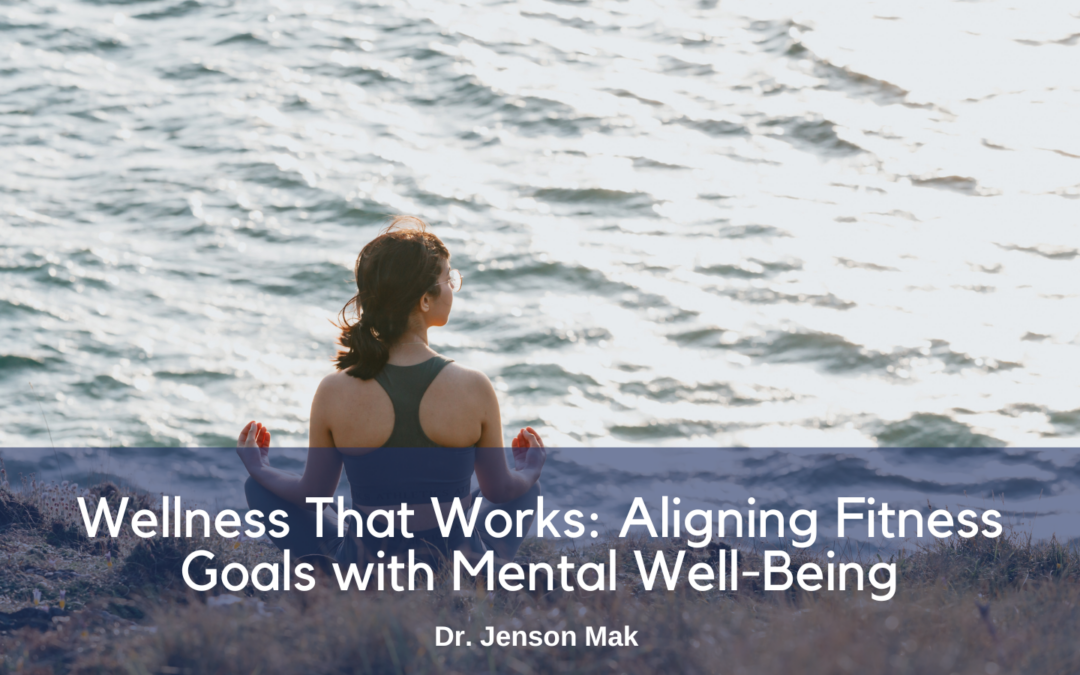
Health is about much more than reaching a fitness milestone or following the latest wellness trend. True well-being comes from creating habits that support both the body and the mind. While physical activity plays an important role in overall health, pairing fitness goals with positive lifestyle choices and mental well-being can lead to a more balanced and sustainable approach to wellness.
Rather than focusing solely on outcomes, many people are shifting their attention toward building routines that promote energy, resilience, and long-term quality of life.
Energy Starts with Everyday Habits
Feeling energized isn’t always about doing more—it’s often about making consistent choices that support overall well-being. Daily routines, sleep quality, movement, hydration, nutrition, and stress management all influence how we feel throughout the day.
Small, sustainable habits often have a greater long-term impact than short bursts of motivation. Building routines that fit naturally into everyday life makes it easier to stay consistent and maintain momentum.
Redefining Fitness Success
Fitness looks different for everyone. For some, it’s improving endurance or strength; for others, it’s moving more comfortably, managing stress, or simply feeling healthier.
Rather than comparing progress to others, meaningful fitness goals are those that align with your lifestyle, priorities, and overall sense of well-being. Success is often measured not only by physical changes but also by increased confidence, improved energy, and a greater sense of balance.
The Mind-Body Connection
Physical and mental well-being are closely connected. Regular movement can become an opportunity to clear the mind, reduce daily stress, and create moments of focus in an otherwise busy schedule.
Likewise, maintaining emotional well-being often supports healthier lifestyle choices. When people feel mentally balanced, they may find it easier to stay motivated, establish routines, and approach their health with greater consistency.
A holistic perspective recognizes that caring for the mind and body goes hand in hand.
Building Habits That Last
Lasting wellness is rarely the result of dramatic changes. Instead, it is built through everyday decisions that become part of a healthy lifestyle.
Simple practices can support long-term well-being:
- Set realistic and flexible fitness goals.
- Prioritize rest and recovery.
- Make time for activities you genuinely enjoy.
- Celebrate progress rather than perfection.
- Focus on consistency over intensity.
These habits encourage sustainable growth while reducing the pressure to achieve quick results.
A Balanced Approach to Well-Being
Wellness is not about achieving perfection or following someone else’s definition of health. It is about creating a lifestyle that supports physical vitality, emotional resilience, and personal fulfillment.
Every individual’s journey is unique, and what works for one person may not work for another. If you are beginning a new fitness routine or making significant lifestyle changes, consider seeking guidance from qualified healthcare or fitness professionals who can provide personalized support.
When fitness goals are aligned with mental well-being and everyday lifestyle choices, wellness becomes more than a destination—it becomes a way of living. By focusing on balance, consistency, and self-care, individuals can build healthier habits that support both body and mind for years to come.