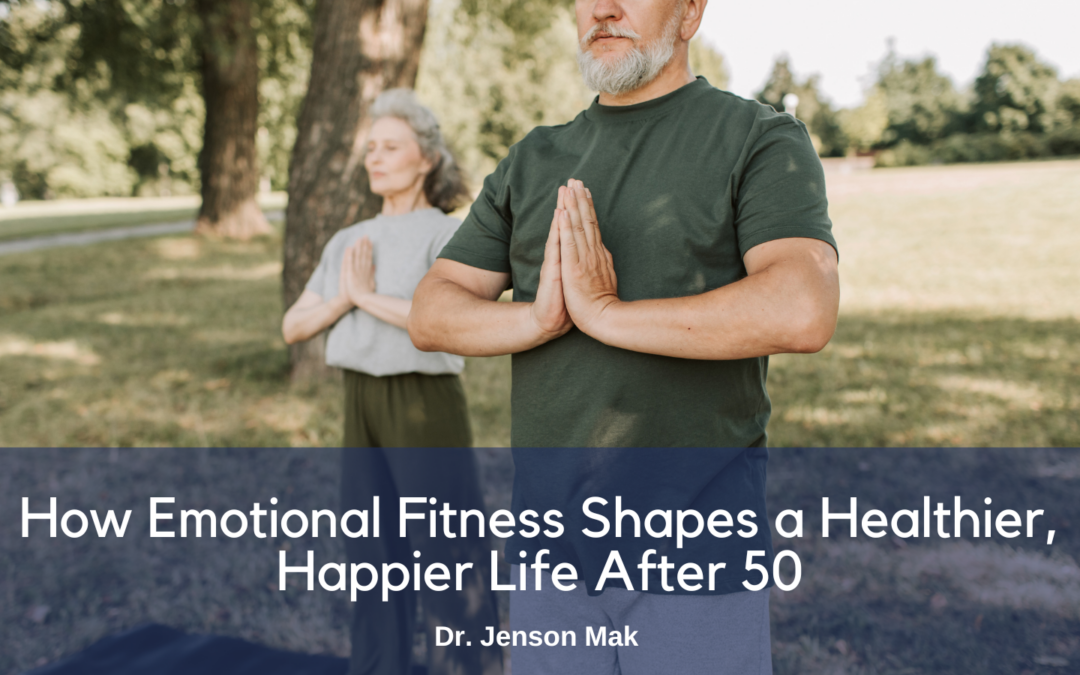
Turning 50 isn’t about slowing down—it’s about leveling up. As we age, physical health often gets the spotlight, but emotional fitness is just as essential. Emotional fitness is the ability to understand, manage, and grow from your feelings. After 50, it becomes a powerful foundation for living with purpose, resilience, and joy.
Here’s how emotional fitness shapes a healthier, happier life in your second half.
1. Emotional Fitness Builds Resilience
Life after 50 often includes big changes—career shifts, empty nests, health challenges, or loss. Emotional fitness helps you adapt instead of feeling stuck.
Resilient adults:
• Process emotions instead of suppressing them
• Learn from setbacks
• Stay grounded during uncertainty
This flexibility supports both mental and physical health.
2. Better Relationships, Deeper Connections
With emotional maturity comes clarity about what truly matters. People with strong emotional fitness communicate more openly and set healthier boundaries.
They:
• Listen with empathy
• Express needs clearly
• Let go of unnecessary conflict
Strong relationships reduce stress and improve overall well-being.
3. Reduced Stress, Improved Health
Chronic stress takes a toll on the body. Emotional fitness lowers stress by helping you recognize triggers and respond thoughtfully.
Benefits include:
• Lower blood pressure
• Better sleep
• Stronger immune function
Your emotional habits directly influence your physical health.
4. Renewed Sense of Purpose
After 50, many people reassess their goals and values. Emotional fitness helps you tune into what brings meaning—whether that’s creativity, service, learning, or connection.
You begin to:
• Focus on fulfillment over approval
• Invest time in what energizes you
• Release outdated expectations
Purpose fuels vitality.
5. Greater Self-Compassion
Emotional fitness includes being kind to yourself. Instead of judging your past, you honor your growth.
This leads to:
• Reduced anxiety and shame
• Increased confidence
• A healthier inner dialogue
Self-compassion is a powerful wellness tool.
6. Openness to Growth
Emotional fitness keeps you curious. You’re more willing to learn new skills, explore new roles, and adapt to change.
You stay:
• Mentally sharp
• Socially engaged
• Emotionally alive
Growth doesn’t stop with age—it deepens.
7. Daily Habits That Strengthen Emotional Fitness
Small practices make a big difference:
• Journaling
• Mindful breathing
• Gratitude reflection
• Honest conversations
Consistency builds emotional strength.
Conclusion
After 50, emotional fitness becomes your secret advantage. It shapes how you handle stress, connect with others, and find joy in everyday life.
When you care for your emotional well-being, you don’t just live longer—you live better, with clarity, confidence, and contentment.